
Science & Technology
Thirteen astronauts' hearts adapted through six-month missions and handled a simulated Mars-gravity test after landing.
Early drops in cardiac filling and stroke volume moved back toward preflight levels while astronauts maintained demanding daily exercise.
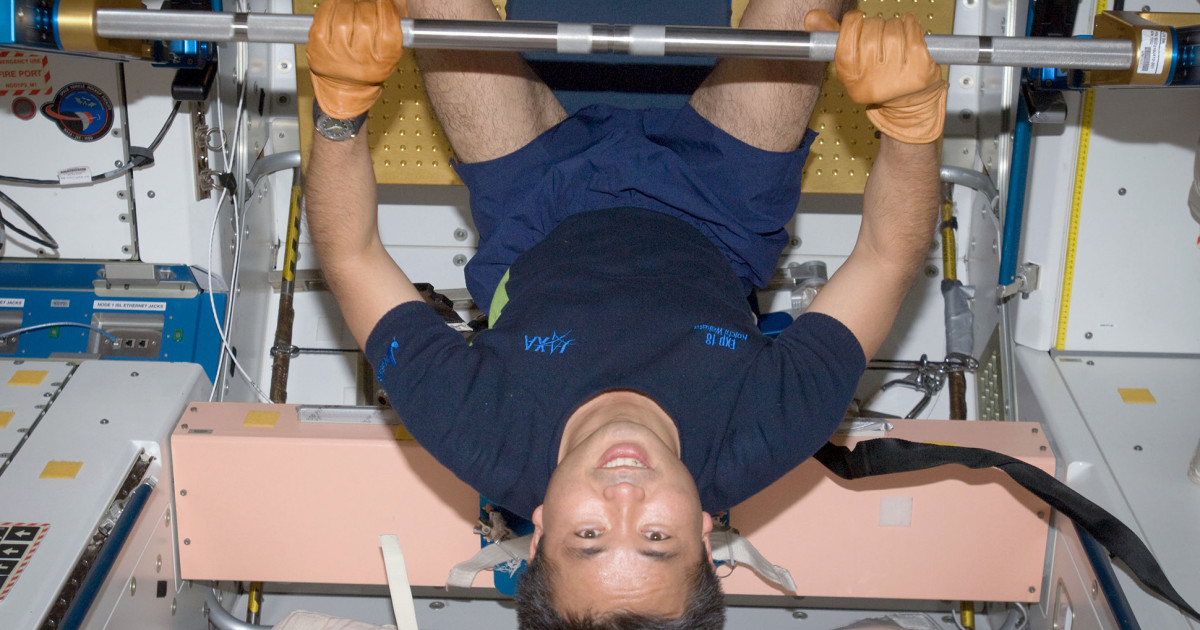
Researchers tracked echocardiograms from 13 astronauts before, during and after roughly six-month stays aboard the International Space Station. Cardiac filling and stroke volume initially declined in microgravity, then moved back toward preflight levels as the cardiovascular system adapted.
The astronauts exercised for up to two hours a day, combining endurance and resistance work. After they returned, a 22-degree tilt test shifted blood toward the lower body to approximate the circulatory demand of Mars, whose surface gravity is about 38% of Earth's.
Their hearts performed under that simulation about as well as they had while standing on Earth before launch. The cohort is small and the test cannot recreate an actual landing, but the findings strengthen the case that disciplined exercise can protect cardiovascular readiness on long missions.