
World Progress
America’s newest national park comes with 27-million-year-old rock stars.
Chiricahua’s volcanic landscape and Apache heritage gain national-park recognition, while existing protection and visitor activities continue.
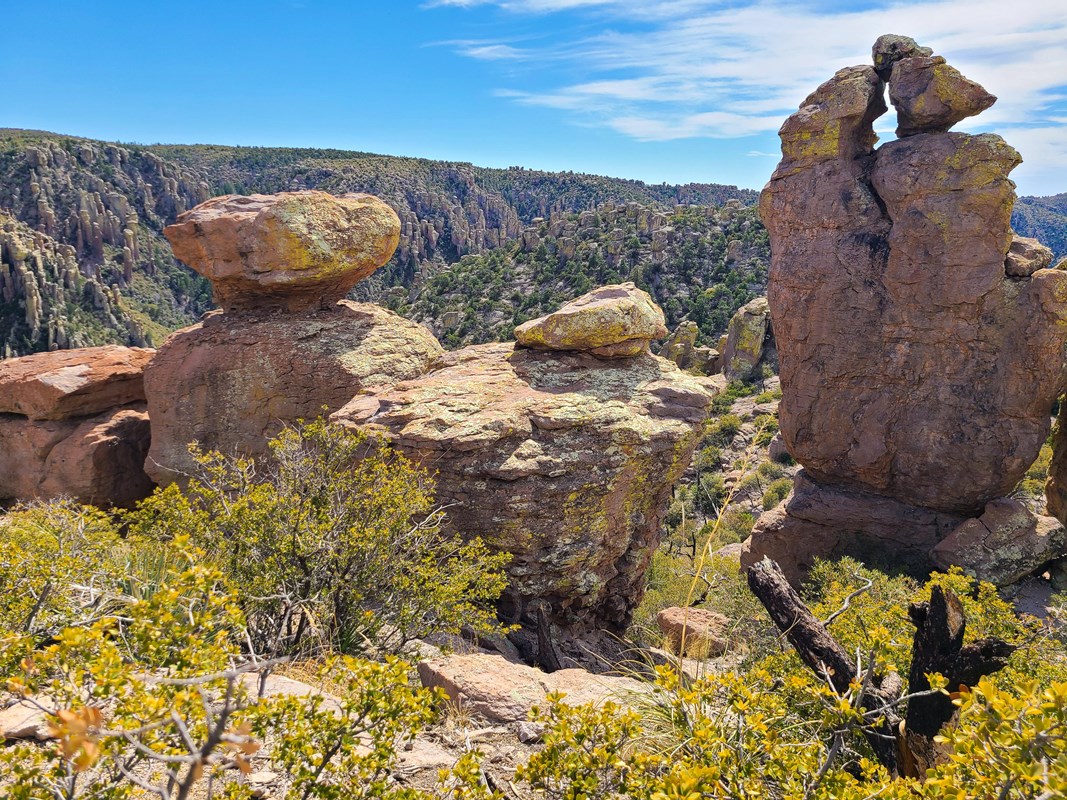
America’s newest national park already had the scenery. On October 20, Chiricahua in southeastern Arizona gained the name to match, following the signing of legislation redesignating the longtime national monument.
The roughly 12,000-acre landscape is a gathering place for towering volcanic spires, balanced rocks and ecosystems that seem to have arrived from different addresses. Desert, grassland and forest meet in the Chiricahua Mountains, supporting wildlife, birding, hiking and dark-sky exploration. An eruption roughly 27 million years ago supplied the raw material for those improbable rock formations.
The place has been protected as a national monument since 1924. Its history reaches much further back, including its importance as the homeland of the Chiricahua Apache. The new designation recognizes that natural and cultural significance; it does not mean the land was unprotected until this week.
Hiking, camping, scenic drives and wildlife viewing continue under National Park Service management. The sign is new. The reasons to stop and look have been patiently standing there for a very long time.