
Medicine & Health
A clearer view before birth: AI follows a moving baby.
MIT and Boston Children’s researchers developed a model that tracks the fetal head during MRI, helping the scanner capture a more complete picture. The aim is fewer gaps in images and less need for repeat visits.
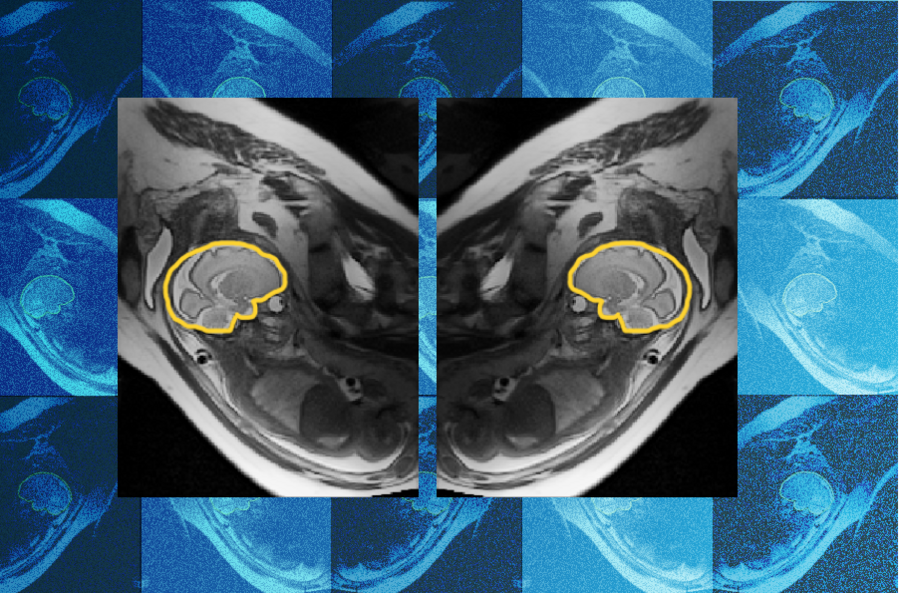
A moving baby can make a prenatal MRI difficult to interpret. When the head shifts between image slices, the resulting picture can have gaps—precisely where clinicians need reliable detail.
Researchers at MIT, Boston Children’s Hospital and Inria developed E(3)-Pose to follow that movement. The model builds the head’s left-right symmetry into its design, helping the scanner account for changes in orientation.
The practical ambition is a more complete image and a less frustrating appointment. The team is also working toward imaging younger fetuses, whose smaller size and greater movement create additional challenges.