
Science & Technology
A tiny superconducting sandwich remembered a bit without constant power
The layered device stored a selected memory state and controlled which way signals could travel.
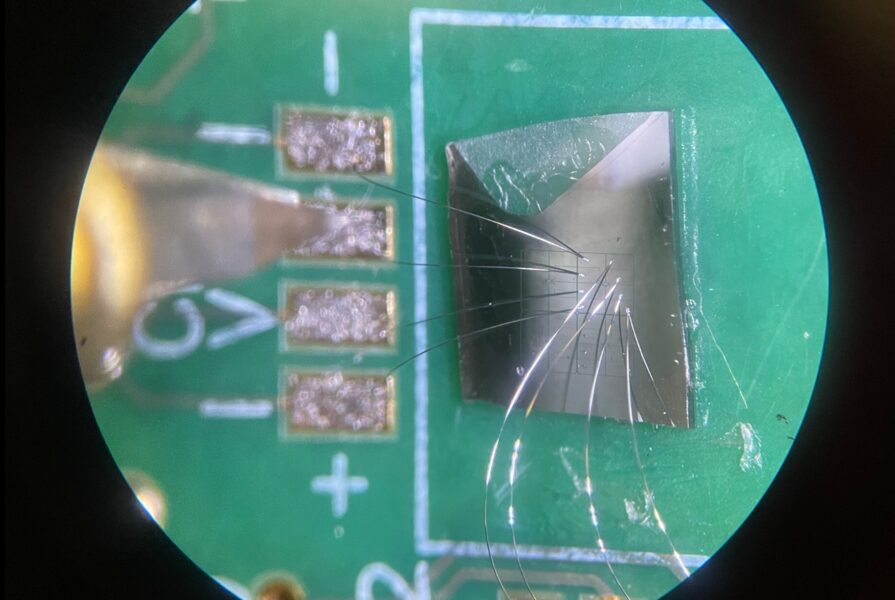
MIT researchers built a microscopic sandwich: an ultrathin superconducting film between two magnetic layers. Changing their alignment wrote a bit that stayed put without continuous power.
They switched one cell without disturbing its neighbor and used the same structure as a programmable diode, allowing a signal one way, the other way or neither way.
The device still needs extreme cold, has not become a dense array and has not delivered measured savings for a full computer. It is a small component with two jobs, already more efficient than most meetings.