
Science & Technology
A ship team found fuel savings without cutting the science
Scientists, captains and an engineer used operating data to identify voyage changes that can reduce fuel and costs while preserving survey work.
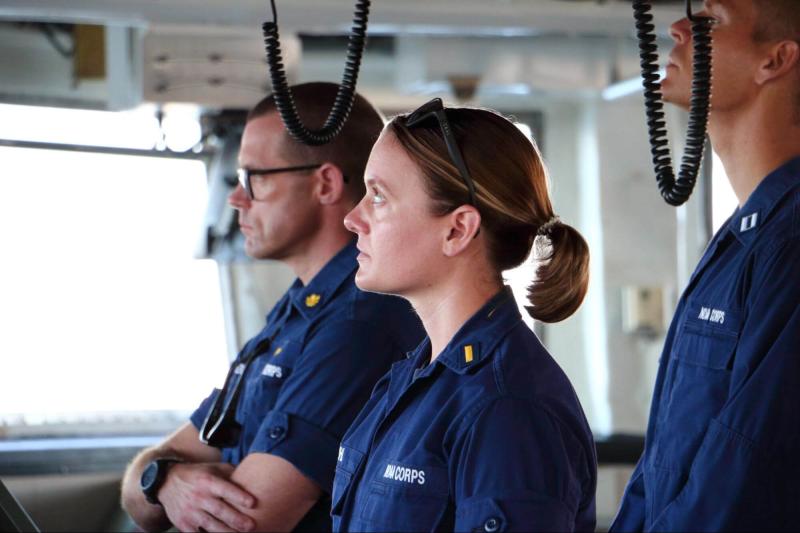
Research ships have to reach fish, weather and ocean data without burning the budget on the way there. NOAA fisheries biologist Jarrod Santora asked the people who know that tradeoff best—ship captains, a chief engineer and scientists—to compare the fleet’s operating data and look for fuel savings that would not hollow out the research.
The collaboration examined how speed, route planning, station order and ship operations affect consumption aboard NOAA survey vessels. Slower transit where schedules allow and tighter coordination between science plans and the bridge can cut fuel while preserving the observations managers rely on. The point was not to ask one side to surrender time, but to give both sides the same evidence before a voyage plan hardens.
The savings are not one universal percentage; missions, weather and safety constraints differ, and ships still need fuel. The useful achievement is a repeatable operating conversation backed by data. A fisheries scientist gave something back to the fleet, and the fleet showed science where efficiency was hiding—in the route between the stations.