
Medicine & Health
Blood cells from an 80-year-old were reprogrammed into neural stem cells with molecular-age marks under 20—in a lab dish.
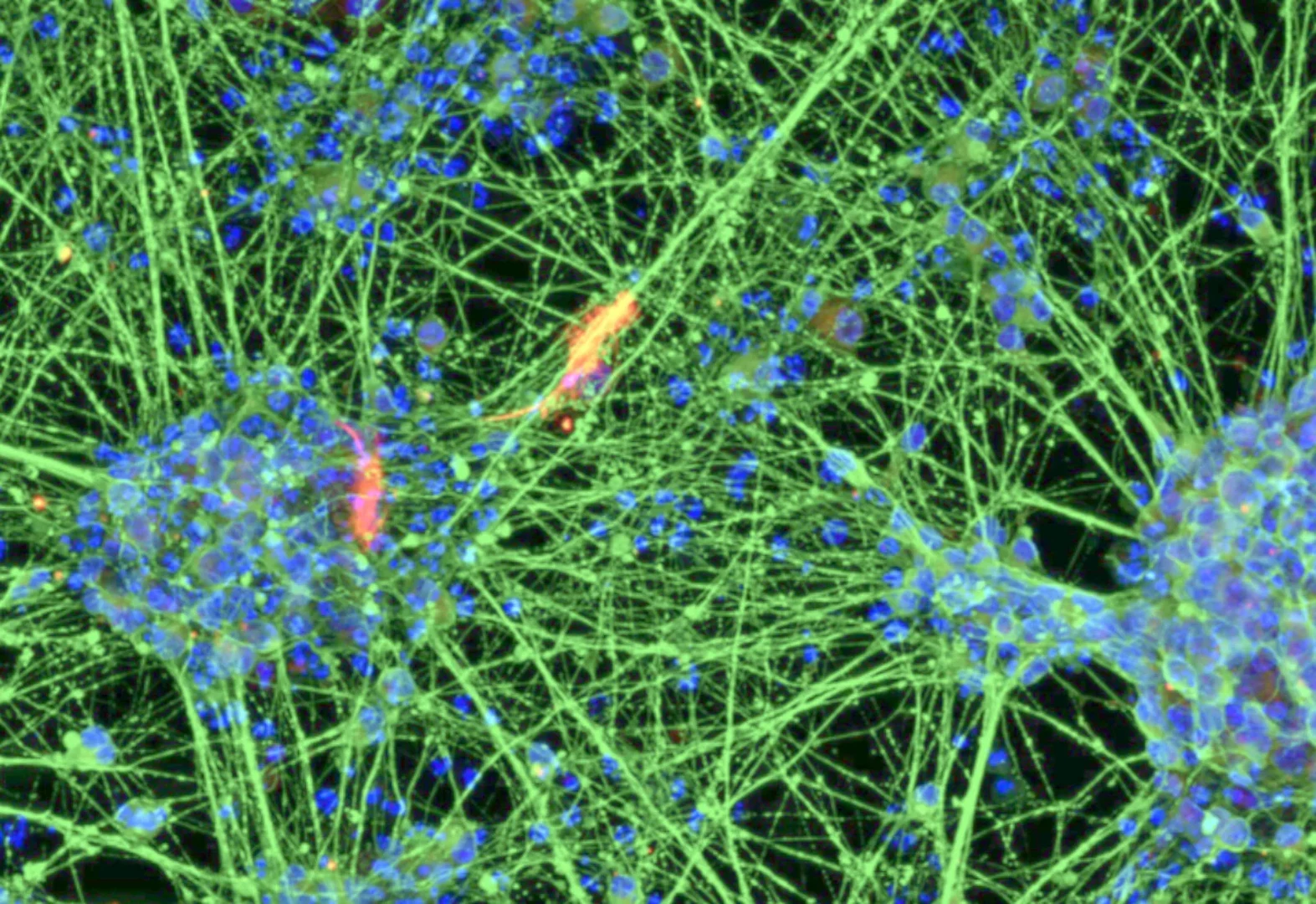
A University of Bonn team directly converted red-blood-cell precursors into neural stem cells without first passing through a pluripotent stage. During that gradual change, epigenetic clocks—chemical marks used to estimate cellular age—reset dramatically.
Cells from an 80-year-old donor ended with molecular-age signatures below 20, and the team could track the process over more than 100 days. That slower timeline offers an experimental window for identifying which factors speed or slow cellular rejuvenation.
This is a model for studying aging, not rejuvenation therapy for people. The work does not show that an older person's brain can be made young, and any future use of reprogrammed cells would require extensive safety and function testing.