
Science & Technology
A Mars rover sets a driving record—with most of its route navigated by its self-driving system.
The Mars rover passed Opportunity's 28.06-mile mark in about five and a half years, using autonomous navigation for more than 90% of its total distance.
Correction / update: October 22: Original milestone date clarified: the record drive was October 11 and first reported October 12. The later mission blog was a follow-up.
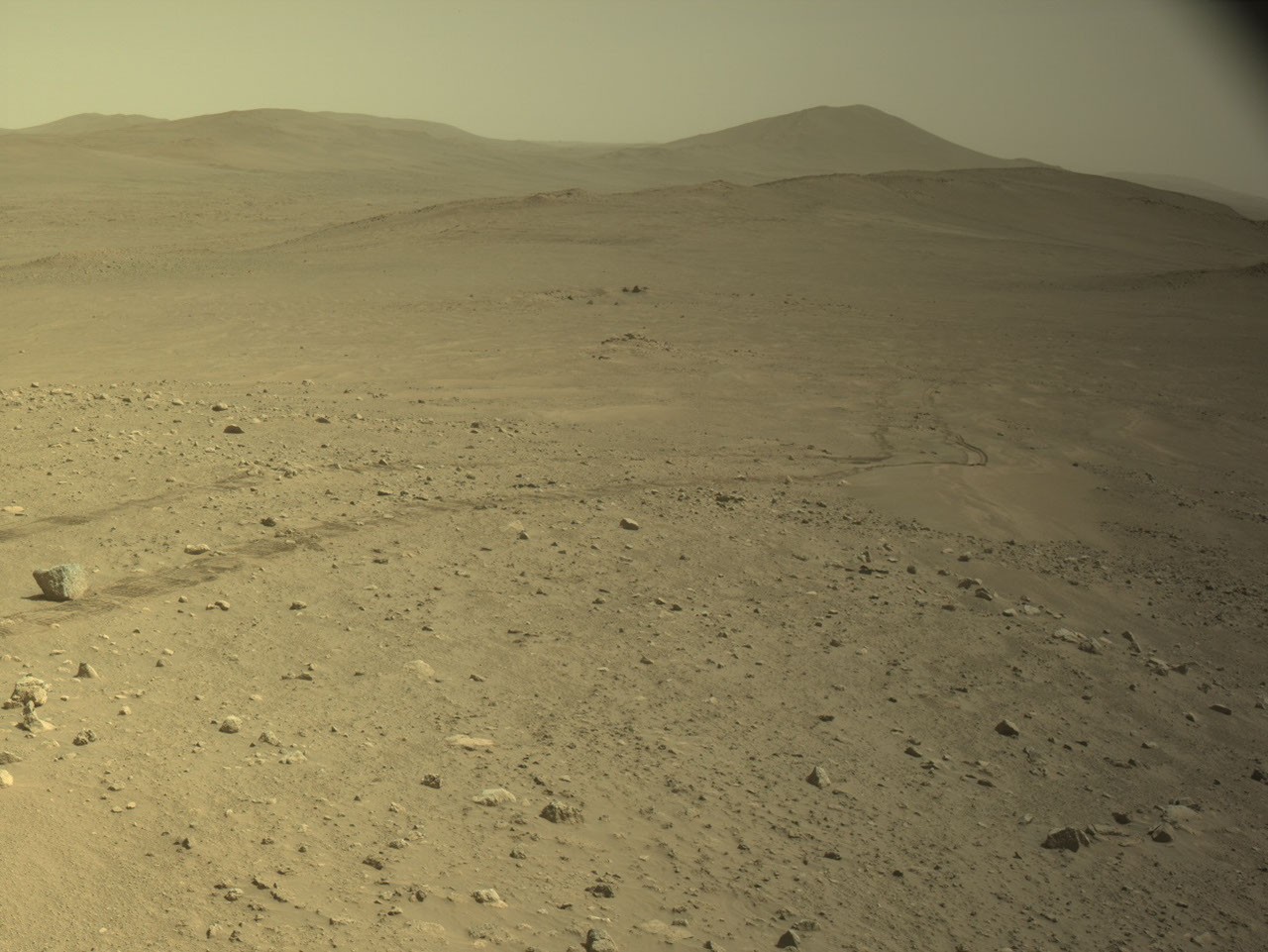
NASA's Perseverance rover became the farthest-driving vehicle on another world when its odometer reached 28.10 miles on October 11. That edged past Opportunity's 28.06-mile record, covering the distance in about five and a half years rather than nearly 15.
The deeper achievement is autonomy. Perseverance has used AutoNav to evaluate terrain for more than 90% of its journey, building three-dimensional hazard maps as it rolls. A newer global-localization system compares ground and orbital images to place the rover without a Martian GPS and can keep long drives moving with less intervention from Earth.
The record came during scientific work, not a speed run: the team paused near ancient outcrops for close study before moving on. The rover is now climbing the Jezero crater rim toward terrain where scientists hope to investigate traces of ancient hydrothermal systems.
All mobility systems remain operational. NASA's update also stresses that distance matters because it expands the diversity of rocks and environments the rover can reach, not because mileage alone answers the mission's questions about ancient Mars.