
Science & Technology
Voyager 1 is now one light-day from Earth
NASA confirmed the milestone using Voyager 1’s carrier signal and trajectory calculations, despite a separate science-data outage.
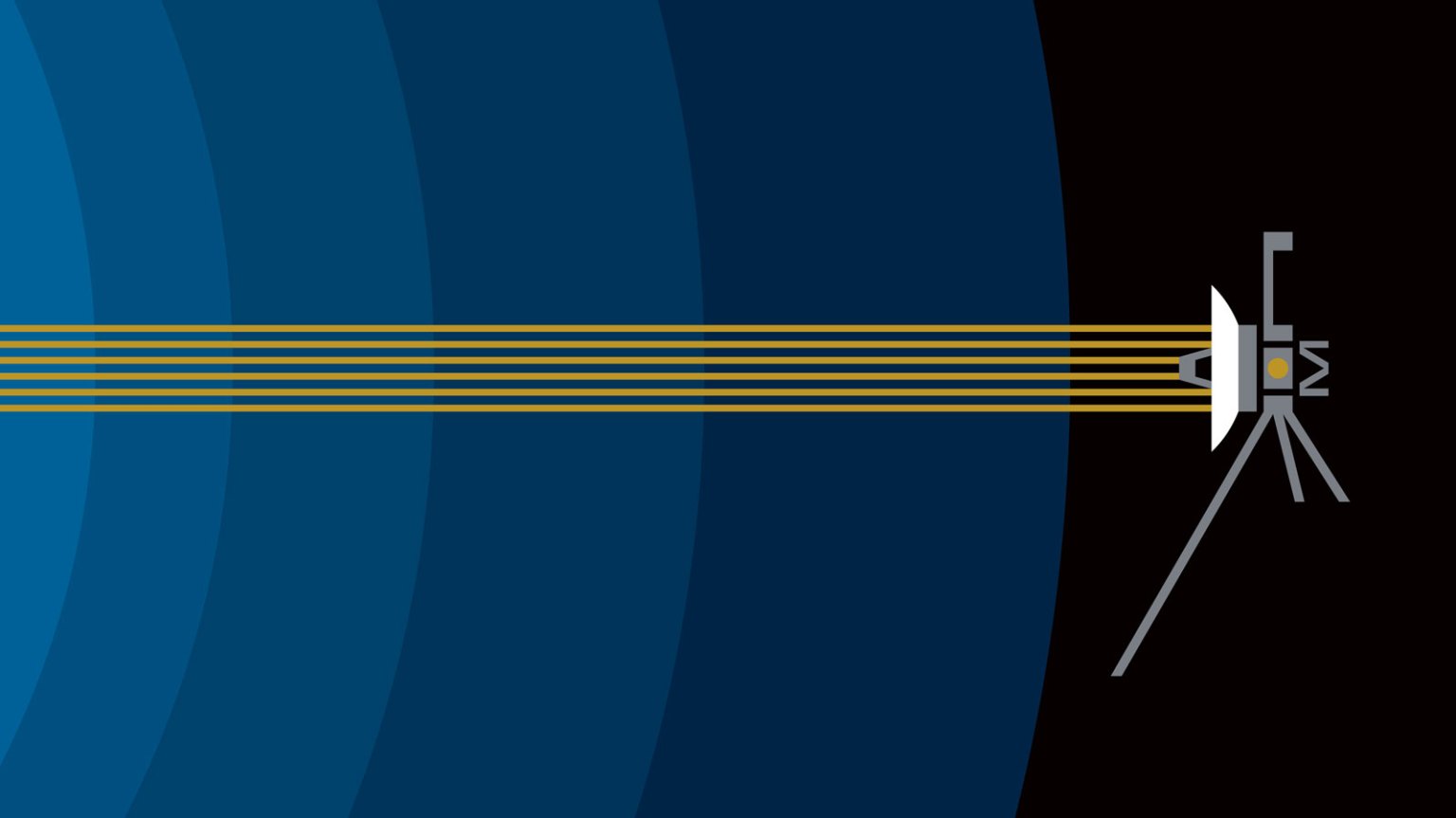
Voyager 1 has reached a distance that sounds invented for a science-fiction map: one light-day from Earth. NASA confirmed that it crossed the threshold on November 18, more than 16 billion miles from home. Its carrier signal reached Earth 24 hours later, early November 19, allowing engineers to confirm the milestone with trajectory calculations.
A light-day measures distance: radio signals need 24 hours each way. That extraordinary separation now makes troubleshooting a very patient exercise.
On November 14, engineers learned that Voyager had stopped sending science and engineering data. A Deep Space Network antenna could still lock onto its carrier signal, but that signal contained no data. The cause remained under investigation; NASA said the problem would not alter the spacecraft’s trajectory.
Launched in 1977, Voyager 1 crossed into interstellar space in 2012. Its twin followed in 2018. The distance milestone remains an extraordinary achievement, but it is not evidence that observations are currently arriving from beyond the Sun’s protective heliosphere.